0086-15250622207
Request A Quote
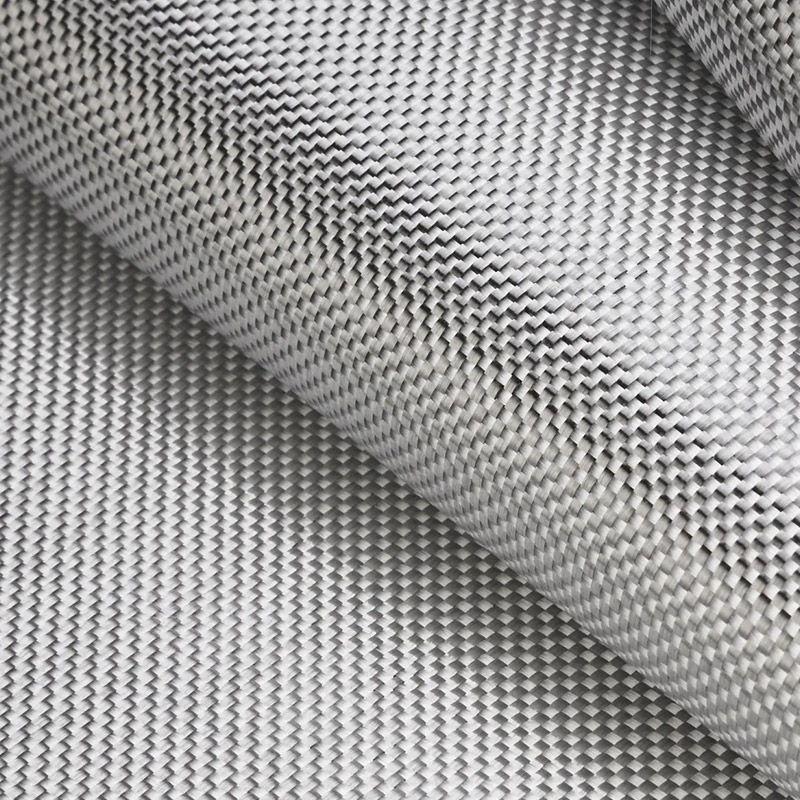
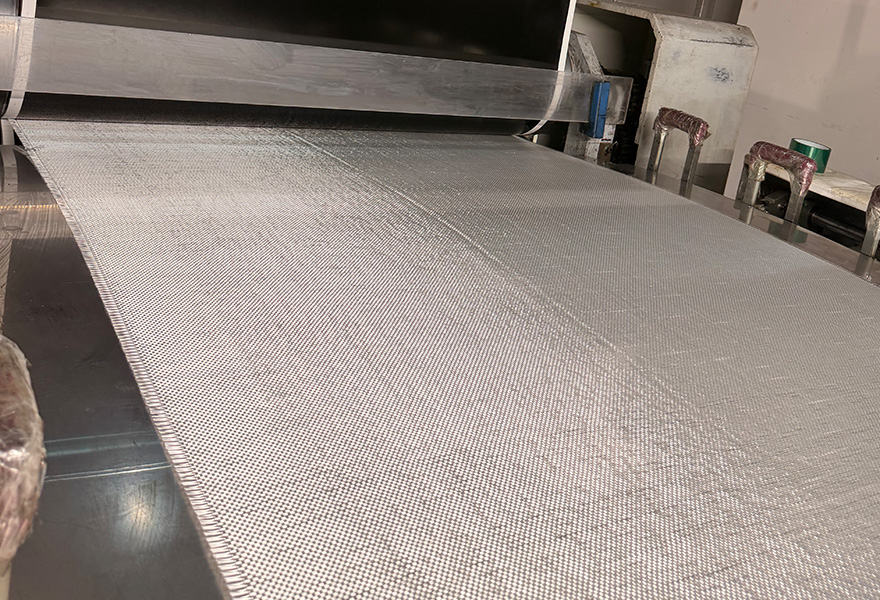
Fiberglass woven prepreg is a pre-impregnated composite material reinforced by plain weave, twill weave and other fiberglass fabrics impregnated with epoxy resin, phenolic resin and other resin systems.
The interlaced warp and weft yarns deliver balanced bidirectional mechanical properties and good material flexibility for easy lay-up. Featuring uniform resin content and stable tackiness, the material can be cut and laid up at ambient temperature. After curing under heat and pressure, it forms low-porosity, dimensionally stable composite parts. It is a cost-effective base material for lightweight insulating and structural composites.
| Fabric | Weave | Prepreg | Thickness |
|---|---|---|---|
| 160 g/m² | Plain / Twill | 272 g/m² | 0.22 mm |
| 200 g/m² | Plain / Twill | 339 g/m² | 0.27 mm |
| 300 g/m² | Plain / Twill | 508 g/m² | 0.40 mm |
| 400 g/m² | Plain / Twill | 678 g/m² | 0.53 mm |
| Parameter | Value |
|---|---|
| Frozen Storage | -18℃ |
| Frozen Shelf Life | 12 months |
| Out-time Life (20~25℃ after thawing) | ≤14 days |
| Note | Do NOT re-freeze after thawing to avoid resin migration and loss of tackiness |
| Parameter | Value |
|---|---|
| Heating Rate | 0.5~2 ℃/min |
| Vacuum | ≥ -0.08 MPa |
| Consolidation Pressure | 0.3~0.5 MPa |
| Dwell | 120℃, 90~120 min |
| Cooling Rate | ≤3 ℃/min |
| Demold | below 60℃ |
Product Features and Performance

Balanced mechanical properties in warp and weft directions with good torsion resistance and impact resistance, suitable for multi-directional load-bearing structures.
The woven fabric boasts excellent flexibility, great conformability for curved and special-shaped components, less wrinkles and voids during lay-up.
Uniform resin impregnation ensures low porosity, high dimensional stability and consistent performance of cured products among batches.
Multiple resin systems are available (medium-temperature epoxy, flame-retardant epoxy, phenolic resin, etc.) to meet diverse requirements on temperature resistance and flame retardancy.
Outstanding electrical insulation, chemical corrosion resistance and moisture resistance with stable electrical performance.
Remarkable cost advantage and higher cost performance compared with carbon fiber prepreg, ideal for mass production.
High compatibility with various molding processes, including vacuum bag molding, autoclave molding and compression molding.
Smooth surface for direct painting, and can be composited with other types of prepregs.
Applications
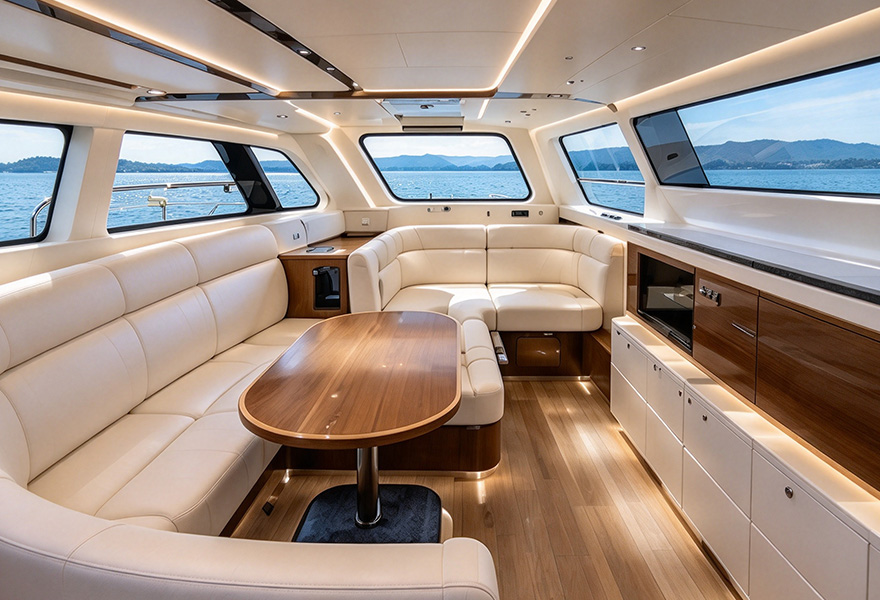
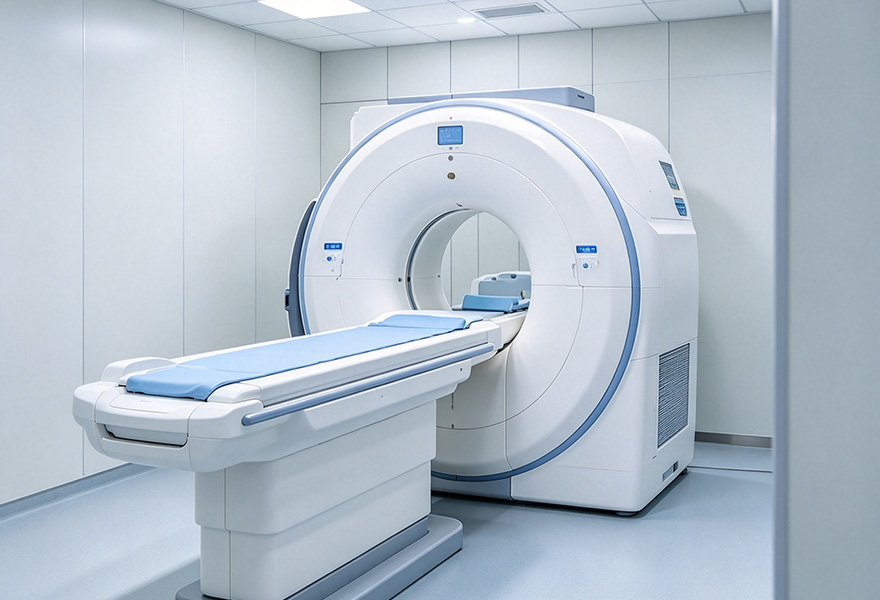
Widely applied in electrical insulation components, rail transit interior housings, new energy battery enclosures, small wind turbine accessories, marine interior parts, medical device casings, amusement equipment structural parts, protective housings for industrial equipment, mold substrates, outdoor equipment shells, security protection components, communication equipment cabinets, lightweight yacht structural parts and other fields.