


Suitable for B2B buyers developing new products, replacing conventional materials, optimizing existing components, or looking for a long-term OEM / ODM manufacturing partner.
From Requirement to Mass Production
Custom projects often begin not with a single material grade, but with the final part’s service environment, performance targets, dimensions, surface requirements, and production volume. LANTAI coordinates material, process, and molding around these conditions, helping reduce uncertainty caused by multi-supplier communication.
01
Requirement Review
Define the application environment, target performance, dimensions, appearance requirements, and expected purchasing volume.
02
Material & Formulation Selection
Match the project with suitable SMC, BMC, carbon fiber / fiberglass prepreg, and formulation directions.
03
Tooling & Molding Coordination
Coordinate tooling and molding methods according to part complexity, dimensional requirements, and production volume.
04
Sample Validation
Use samples, testing, and technical documentation to confirm that the material and part meet project requirements.
05
Mass Production
Move into stable production after sample and process approval, with continued focus on batch consistency and delivery.
Customization Scope
Material Parameter Adaptation
Material direction can be discussed and developed around strength, insulation, flame-retardant behavior, heat resistance, weatherability, color, and other application-related targets.
Complex Molded Parts
For parts with complex geometry, assembly requirements, or integrated functions, material and molding processes can be coordinated together.
Existing Part Optimization
For existing products, optimization can be discussed around material replacement, weight reduction, corrosion resistance, insulation, or processing efficiency.
Prototype to Mass Production
Support can progress from early samples and small-batch validation to long-term mass production, helping reduce project transition costs.
Manufacturing Foundation
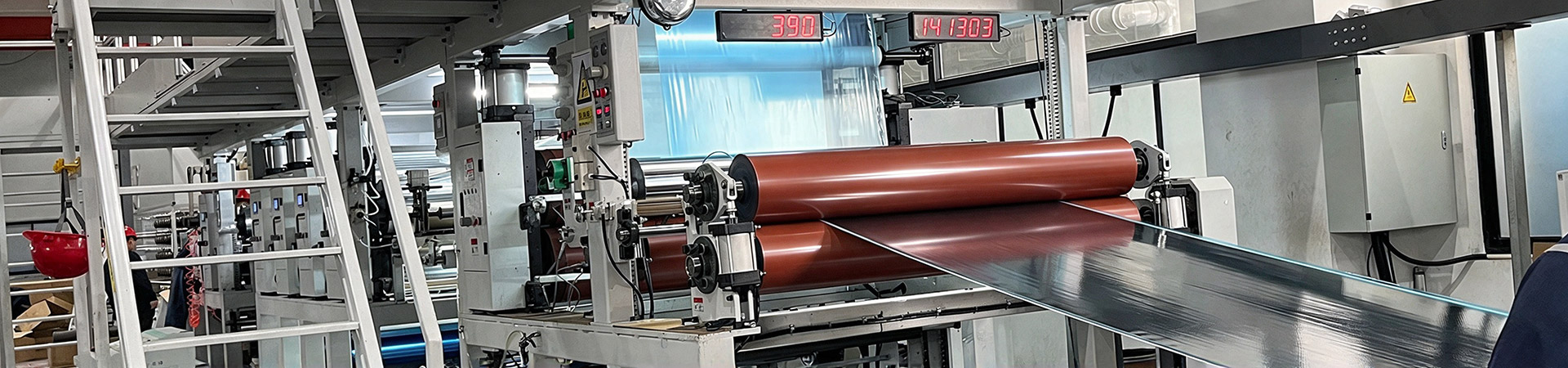
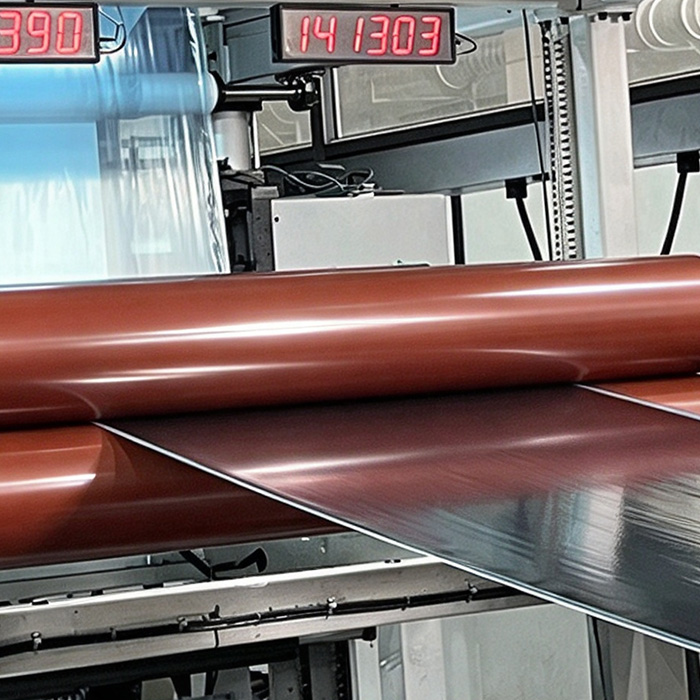
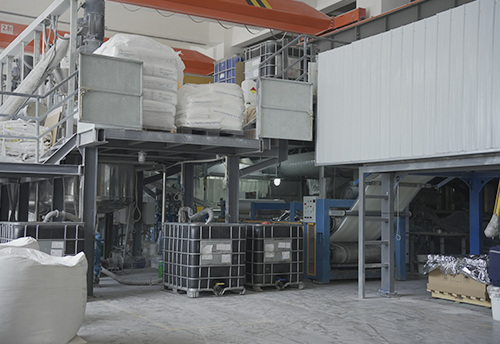
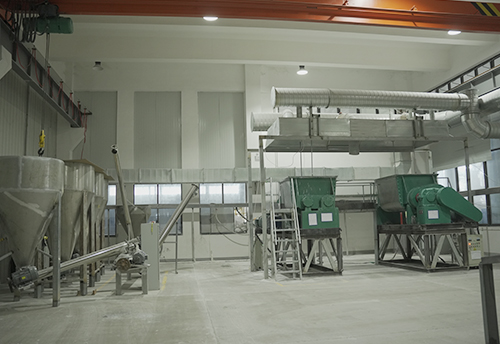
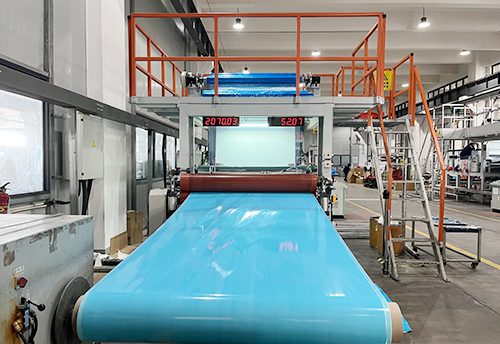
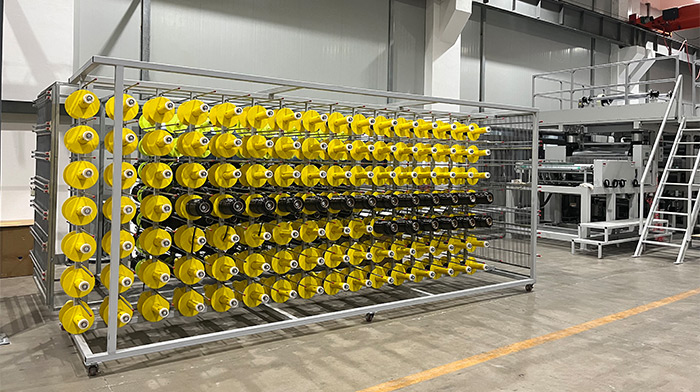
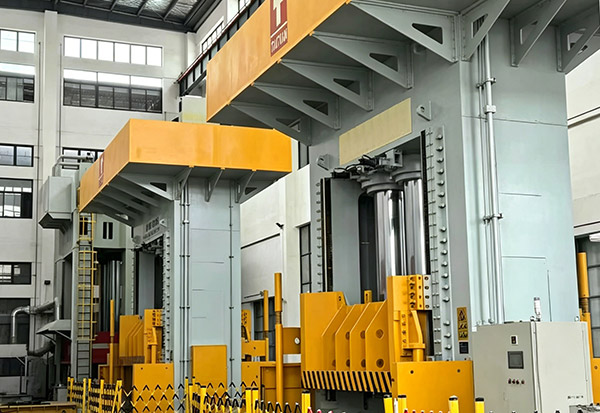
LANTAI’s customization capability is built on real material production and molding infrastructure. The company operates SMC, BMC, and prepreg production equipment together with 15 molding machines ranging from 315T to 2500T, supporting projects with different part structures, sizes, and production volumes.
For long-term projects, combining material and molding capability helps improve consistency between material and finished parts while reducing repeated coordination among material suppliers, tooling vendors, and molders.
Typical Cooperation Scenarios

New Product Development
The buyer has a design or functional target and needs a suitable composite material and molding method.
Material Replacement
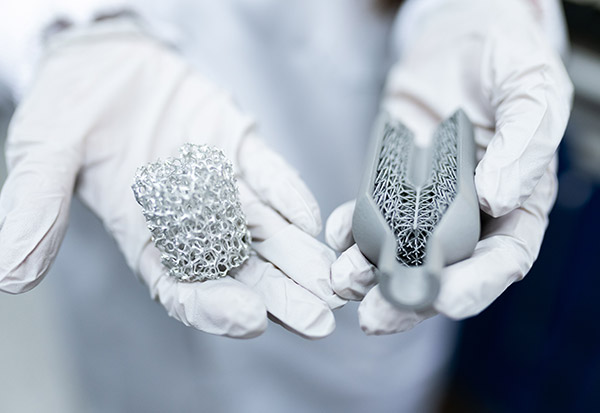
Composite materials are being considered to replace metal or other conventional materials for weight reduction, insulation, corrosion resistance, or processing benefits.
OEM / ODM Molded Components
The buyer needs long-term supply of SMC / BMC molded parts rather than raw materials only.
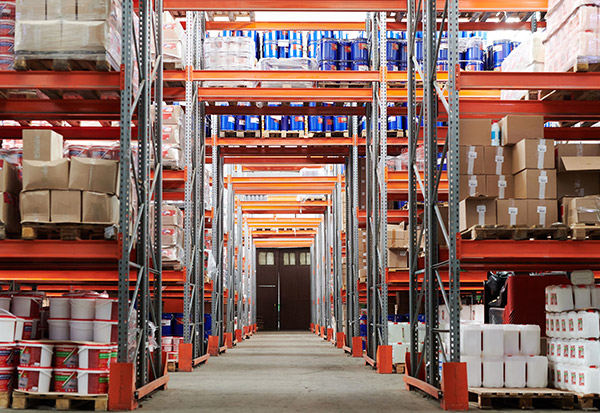
Supply Chain Consolidation
The buyer wants to reduce the number of suppliers across material, tooling, and molding to improve communication and delivery efficiency.
Frequently Asked Questions
Can you develop molded parts based on our drawings?
Can you customize only the material formulation without molded parts?
Do you support sample validation?
Can you support long-term mass-production projects?
Suitable for B2B buyers developing new products, replacing conventional materials, optimizing existing components, or looking for a long-term OEM / ODM manufacturing partner.
From Requirement to Mass Production
Custom projects often begin not with a single material grade, but with the final part’s service environment, performance targets, dimensions, surface requirements, and production volume. LANTAI coordinates material, process, and molding around these conditions, helping reduce uncertainty caused by multi-supplier communication.
01
Requirement Review
Define the application environment, target performance, dimensions, appearance requirements, and expected purchasing volume.
02
Material & Formulation Selection
Match the project with suitable SMC, BMC, carbon fiber / fiberglass prepreg, and formulation directions.
03
Tooling & Molding Coordination
Coordinate tooling and molding methods according to part complexity, dimensional requirements, and production volume.
04
Sample Validation
Use samples, testing, and technical documentation to confirm that the material and part meet project requirements.
05
Mass Production
Move into stable production after sample and process approval, with continued focus on batch consistency and delivery.
Customization Scope
Material Parameter Adaptation
Material direction can be discussed and developed around strength, insulation, flame-retardant behavior, heat resistance, weatherability, color, and other application-related targets.
Complex Molded Parts
For parts with complex geometry, assembly requirements, or integrated functions, material and molding processes can be coordinated together.
Existing Part Optimization
For existing products, optimization can be discussed around material replacement, weight reduction, corrosion resistance, insulation, or processing efficiency.
Prototype to Mass Production
Support can progress from early samples and small-batch validation to long-term mass production, helping reduce project transition costs.
Manufacturing Foundation
LANTAI’s customization capability is built on real material production and molding infrastructure. The company operates SMC, BMC, and prepreg production equipment together with 15 molding machines ranging from 315T to 2500T, supporting projects with different part structures, sizes, and production volumes.
For long-term projects, combining material and molding capability helps improve consistency between material and finished parts while reducing repeated coordination among material suppliers, tooling vendors, and molders.
Typical Cooperation Scenarios
New Product Development
The buyer has a design or functional target and needs a suitable composite material and molding method.
Material Replacement
Composite materials are being considered to replace metal or other conventional materials for weight reduction, insulation, corrosion resistance, or processing benefits.
OEM / ODM Molded Components
The buyer needs long-term supply of SMC / BMC molded parts rather than raw materials only.
Supply Chain Consolidation
The buyer wants to reduce the number of suppliers across material, tooling, and molding to improve communication and delivery efficiency.